A voice for silenced women in Iran
“Please don’t forget us – please be our voice.” This is what the makers of SAT-7 PARS programme Insiders heard from viewers in Iran when their messages were able to break through the country’s recent internet blackouts.
The live discussion programme has been on air for over 10 years now: a decade that has seen conditions, rights and freedoms in Iran deteriorate, reaching new lows this year.
The current season, which ends in June, has been tackling challenging issues relating to the protests in Iran at the beginning of the year and the subsequent war with the US and Israel. And constantly changing events have necessitated adaptivity to cover what is in the hearts and minds of Iranians both inside and outside the country.
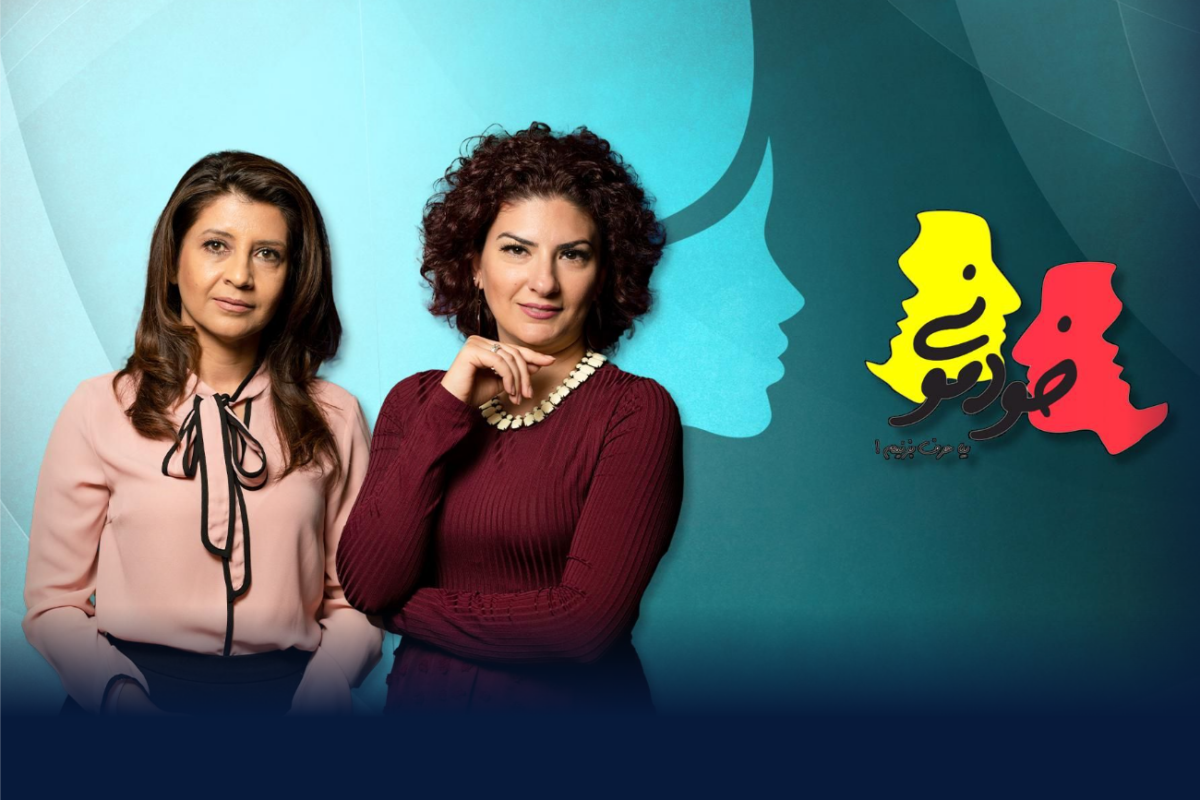
It has been challenging for the team on a personal level too. “We are worried, angry and upset by the news from Iran because we are human beings,” said presenter Sally Momtazi. “But we have to be strong and make a programme for our people to give them some hope.”
EVOLVING
What began as a women’s discussion show, covering topics relating to motherhood and family life and issues such as domestic violence, Insiders has developed into a programme that explores the connection between gender equality, rights and freedoms. It is part of a wider project addressing Freedom of Religion and Belief (FoRB) in the Persian world.
“For years, women have faced imprisonment, violence and even death for standing up for their rights,” said presenter Hengameh Borji. “But these challenges are closely connected to freedom of religion or belief and the right to choose, express and live according to one’s belief without fear.”
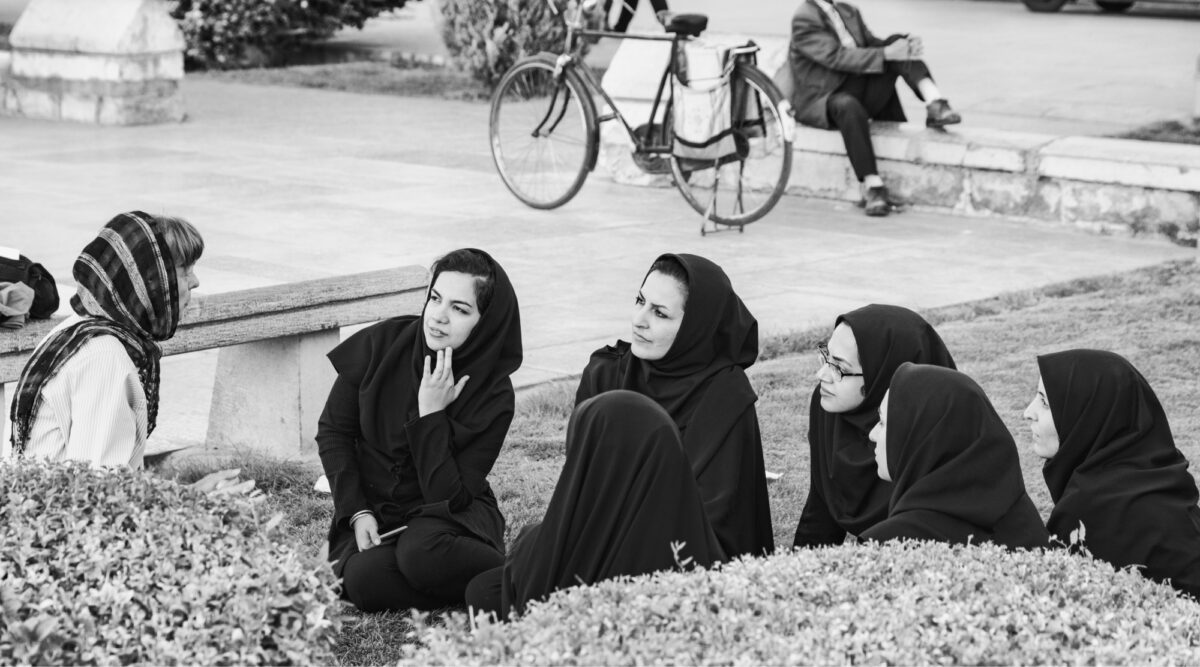
This connection was seen vividly in the 2022 case of Mahsa Amini, who was arrested for allegedly wearing the hijab incorrectly and died in police custody. Her death sent shockwaves through Iran as women-led protests erupted and gained support around the world. A whole movement for justice united around the slogan “Woman. Life. Freedom.”
As Insiders has tackled more challenging issues over the years, it has seen its audience mature and strengthen along with the programme content. “We can see now that people are more aware and more empowered than before,” said Sally. “They understand that we all need to be aware of our rights, talk about them and take action.”
DEEPENING
The project, Broadcasting Hope to Persian Women and Men via Satellite and Digital Media, includes other activities that are offering more in-depth and personal support to viewers. These include private WhatsApp groups covering specific topics and issues, and, more recently, online and in-person workshops for Iranian women. Next steps include a digital media awareness campaign and a new vodcast featuring expert guests exploring topics relating to FoRB.
Earlier this year, workshops on “Anger in a Time of Crisis” were held via Zoom for women inside Iran and face-to-face in Türkiye for Iranian women living there.
“The trauma I have endured in my life has been significant, and it has lowered my emotional threshold. I try to limit my news consumption, but the pain of Iran triggers a deep emotional reaction in me, and I often find myself in tears,” said one of the participants.
The workshops provided a safe and confidential space for people to open up about their personal experiences while also learning about where anger comes from and the ways that it manifests physically, emotionally and relationally. It was explained that anger is a secondary response to fear, anxiety, grief, traumatic memories, feelings of helplessness and chronic psychological pressure.
“Participants learned that under prolonged crisis conditions, people are often trapped in a constant fight or flight state, and when emotions are not processed, they accumulate and can result in explosive anger, panic attacks, emotional numbness and burnout,” said Ashraf Khalilpour, SAT-7 PARS Viewer Support Manager.
As well as helping the individual participants to process their emotional responses and find peace, the workshops also helped the makers of Insiders to better understand the experiences and needs of viewers as the programme continues to adapt and evolve in challenging times.